Tip 1: Think about how you want to be seen.
You only have a fraction of a second to make a first impression. So think carefully about your image and what first impression you want to make. Knowing what image you want to project is essential when creating and selecting a strong profile photo.
Tip 2: Use the ideal crop for your profile photo.

Your face is the most important thing!
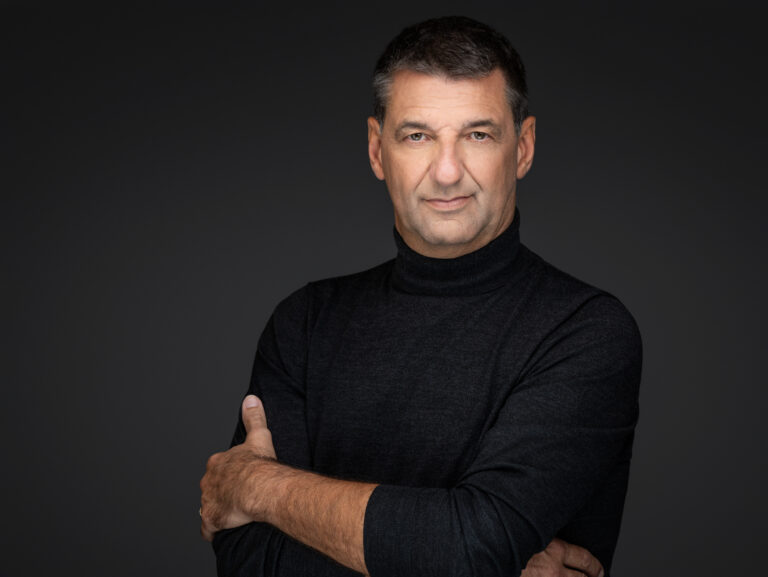
Profile pictures The photos you see in conversations on LinkedIn are very small, so make sure your face is the most important part of the photo. Everyone knows you have a round head. There's no need to show your whole head. So use a close-up or what we call a ‘headshot’ in technical terms.
Tip 3: Take a photo specifically for your profile
The circular economy is hugely popular, but recycling your image is not. So it's not a good idea to cut your head out of that lovely family photo from your sister's wedding and use it as your profile picture on a professional network.
Consciously take (or have someone take) a photo with the aim of capturing a ‘good LinkedIn profile photo’.
Read about it here the impact of a good profile photo.
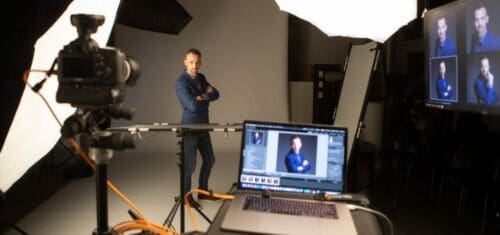
Or book your photo shoot in a professional portrait studio.
Tip 4: Fast is usually not so good
“Can you quickly take a new photo for my LinkedIn profile?” I can already hear you asking your partner. Or worse: “Our HR representative will be coming by shortly to take a photo for your profile on our intranet.”If you hear that during your first week at your new job, you can assume that the communications department and the HR department don't understand each other very well.
You rarely take a good photo in five minutes. Take the time to find the right location, ensure the lighting conditions are right, make sure your hair looks good and you are wearing the right clothes. And then strike the right pose and look...
Tip 5: Let the photographer coach you.
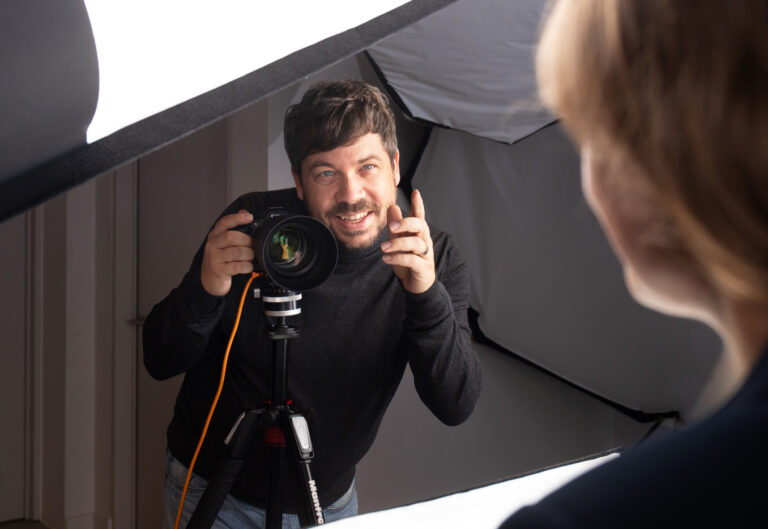
A selfie as a profile picture does not look very professional. And whether you have the photo taken by your partner or by a professional photographer, make sure that he or she tells you how to stand or look. We all have a certain image of ourselves, but that does not always correspond with reality. What you think is a big smile in your head may in reality be just a slight change in the corners of your mouth.